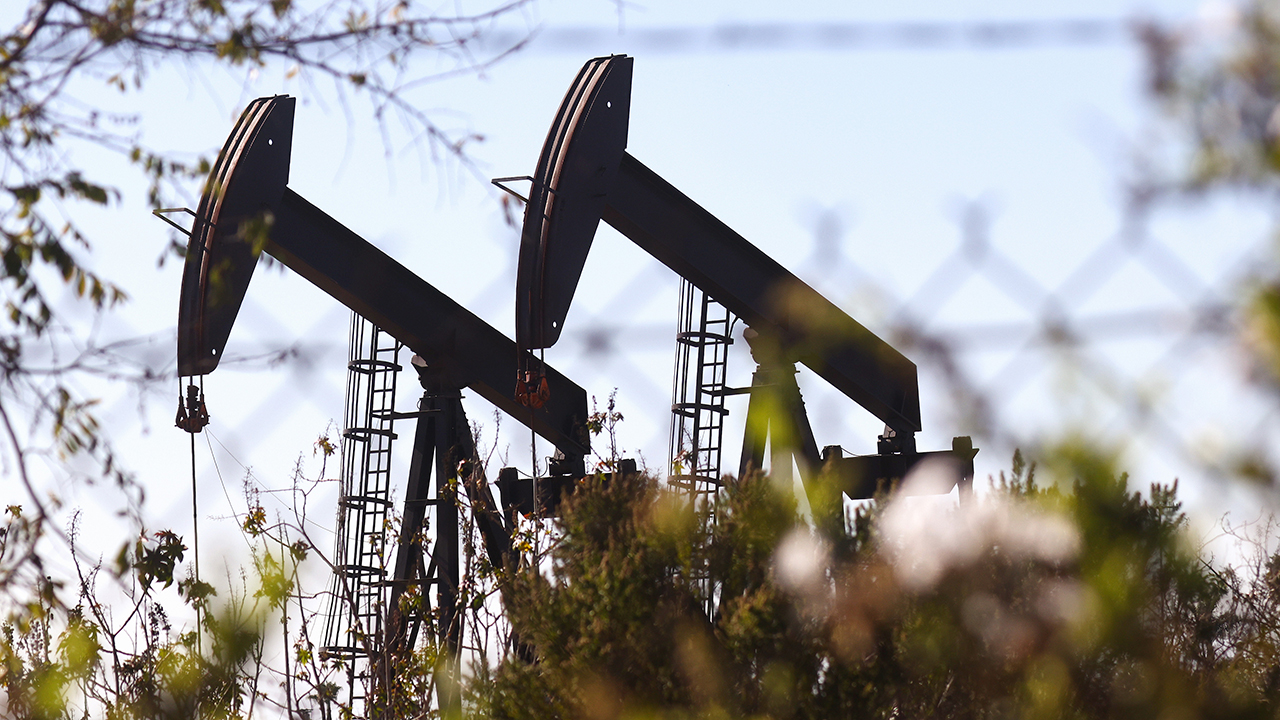
Why Oil Prices Stay Stable Despite Iran Strike Fears
Geopolitical tensions, particularly those involving major oil-producing regions like the Middle East, have historically sent shivers through global energy markets. The mere specter of conflict, especially involving Iran and potential disruptions to vital shipping lanes, traditionally ignites fears of soaring crude oil prices. Yet, despite recurring headlines about Iran strike fears and escalating regional tensions, the market has shown a remarkable resilience. We haven't seen the dreaded triple-digit oil prices many once predicted. So, why does the oil price Iran war narrative often fail to translate into sustained market panic?
The answer, as energy experts suggest, lies in a complex interplay of robust supply dynamics, a nuanced understanding of market risk, and broader economic factors. Rather than a market teetering on the brink of a supply crunch, current stability reflects a significant shift in the global energy landscape, largely underpinned by record production from unexpected quarters.
The Myth of Supply Shortage: Global Supply Buffers Against Geopolitical Shocks
One of the most crucial reasons for the current stability in oil prices, even in the face of significant geopolitical threats, is the sheer abundance of supply. As former Energy Secretary Dan Brouillette highlighted, "What we are not seeing is a lack of supply in the marketplace. That is traditionally what would drive prices higher. That is not the case today." This statement cuts to the core of the issue: the fundamental supply-demand equation remains relatively balanced, even with potential disruptions looming.
The global oil market is currently well-supplied, thanks to a combination of factors. Several major producers continue to operate, and critically, the United States has emerged as an unparalleled force in crude oil production. The U.S. shale revolution has been a game-changer, transforming the nation from a major importer into one of the world's largest oil producers. Brouillette emphasized this point, stating, "We’re producing more… than we ever have. We’re setting records, and that’s bringing stability to the marketplace." This surge in U.S. output acts as a significant buffer, providing a safety net against potential supply shocks from other regions. It means that any immediate, localized disruption due to Iran tensions is less likely to translate into a crippling global shortage, as other sources can potentially ramp up production or reserves can be tapped. This robust supply picture is a primary reason why analysts are not universally forecasting $100 a barrel oil despite the escalating rhetoric, as detailed in our analysis, US Oil Records Curb $100 Forecasts Amid Iran Standoff.
Moreover, the diversification of global oil sources means that the world is less reliant on any single region or waterway than it once was. While the Middle East remains vital, the expanded role of producers in North America, South America, and even parts of Africa, helps to dilute the impact of localized geopolitical risks.
Navigating the Strait of Hormuz: Risk Premium vs. Actual Disruption
The Strait of Hormuz is undeniably a critical chokepoint in global energy trade. This narrow waterway, situated between Iran and Oman, is estimated to carry roughly 20% of the world's petroleum liquids. Any threat to its passage, whether from direct conflict, sabotage, or a complete blockade, rightly raises alarm bells. Traders, therefore, are acutely aware of this vulnerability and factor it into their calculations.
However, what we often see in the market is the pricing of risk rather than an actual *supply shortage*. Brouillette articulated this distinction perfectly: "This is really a risk price today. It is not a supply price." What this means is that current oil prices reflect the market's assessment of the probability of a disruption, not a confirmed interruption of supply. This "risk premium" can lead to short-term volatility and modest price jumps – as seen when crude briefly hovered around $66.59 per barrel during peak tensions – but it doesn't necessarily translate into a sustained, dramatic surge unless an actual, prolonged supply disruption occurs.
Market participants are essentially buying insurance against a potential future event. The price rise reflects this uncertainty and the speculative nature of futures trading. It's a psychological battle as much as an economic one. As long as ships are still moving through the Strait, albeit under increased scrutiny, the market perceives the risk as manageable rather than catastrophic. This dynamic is thoroughly explored in our related piece, Iran Tensions: Is Oil Priced on Risk, Not Supply? An Expert View, which delves into how geopolitical fears are factored into crude oil valuations without necessarily reflecting a physical scarcity.
Beyond the Headlines: Deeper Market Dynamics at Play
While U.S. production and the distinction between risk and supply prices are major factors, several other market dynamics contribute to the overall stability of oil prices:
- Global Demand Outlook: Concerns about global economic growth, particularly in major consuming nations, tend to temper demand forecasts. A sluggish global economy translates to lower projected oil consumption, which in turn acts as a natural ceiling on prices, even amid supply-side fears. If demand isn't robust, even a theoretical supply disruption has a less dramatic impact.
- Strategic Petroleum Reserves (SPR): Many nations maintain Strategic Petroleum Reserves specifically to mitigate the impact of sudden supply disruptions. The knowledge that these reserves exist and can be released in an emergency provides an additional layer of confidence and discourages panic buying that could otherwise drive prices artificially high.
- OPEC+ Policy and Spare Capacity: The Organization of the Petroleum Exporting Countries (OPEC) and its allies (OPEC+) often aim to stabilize the market. While their decisions can influence prices, the group's spare production capacity – the amount of oil that can be brought online relatively quickly – also plays a role. If a significant disruption occurs, OPEC+ potentially has the ability to increase output, further calming market fears.
- Investment in Alternative Energy: While not an immediate solution to a sudden oil shortage, the long-term trend towards renewable energy and electric vehicles gradually shifts the global energy mix. This incremental diversification subtly reduces the absolute reliance on fossil fuels over time, providing a longer-term buffer against sustained oil price shocks.
- Financialization of Oil Markets: The role of financial traders and speculators in futures markets also cannot be understated. Oil is not just a physical commodity; it's also a financial asset. The sheer volume of speculative trading can amplify price movements, but it can also absorb shocks more efficiently as vast amounts of capital are always looking for opportunities and hedges.
Practical Implications and Future Outlook for Oil Price Stability
For consumers, businesses, and policymakers, understanding these dynamics is crucial. The stability in oil prices despite Iran strike fears suggests a more resilient and sophisticated global energy market than in previous decades. While headline geopolitical events will always generate short-term volatility and risk premiums, they are less likely to trigger a systemic energy crisis if the underlying supply picture remains strong.
Practical Advice:
- Monitor Supply Fundamentals: Pay more attention to global production levels (especially U.S. output) and overall demand trends than solely to geopolitical headlines for long-term price predictions.
- Recognize Risk Premiums: Understand that short-term price spikes due to geopolitical tension are common. These are often speculative and may recede if no actual supply disruption materializes.
- Diversify Energy Sources: For businesses, exploring and investing in energy efficiency and alternative sources can mitigate future exposure to oil price fluctuations, regardless of geopolitical events.
Looking ahead, the interplay between U.S. energy dominance, the cautious approach of oil traders, and broader economic concerns will likely continue to define the market's response to geopolitical flashpoints. While the Middle East will always remain a region of strategic importance for global energy security, the world's reliance on it is continually evolving, driven by technological advancements and the shifting landscape of energy production.
Conclusion
In conclusion, the seemingly paradoxical stability of oil prices amidst recurring Iran strike fears is no accident. It's a testament to a transformed global energy market, primarily characterized by robust supply, spearheaded by record U.S. crude oil production. This abundant supply acts as a critical shock absorber, preventing potential geopolitical disruptions from spiraling into crippling supply shortages. While the strategic importance of the Strait of Hormuz is undeniable, the market has learned to differentiate between a "risk price" – reflecting speculative concerns – and a genuine "supply price" driven by actual physical scarcity. Combined with broader factors like global demand outlooks, strategic reserves, and the financialization of oil, these dynamics create a more resilient crude oil market. While vigilance against geopolitical events is always necessary, the current energy landscape suggests that the foundations for sustained market stability are stronger than many might intuitively believe.